Skills-Based Hiring in 2026: A Professor’s Reflection
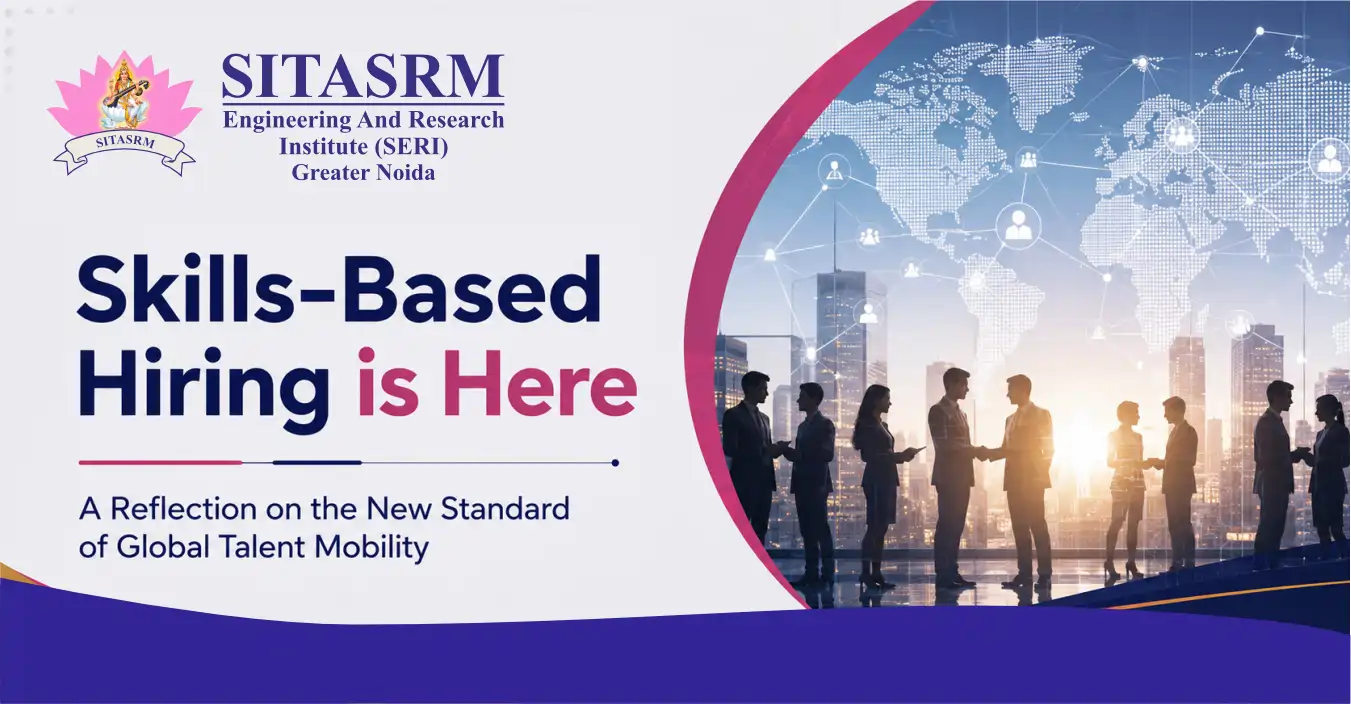
When I look at the hiring landscape of 2026, I see a profound shift that has been building for years. Employers are no longer satisfied with degrees as the sole measure of readiness. Instead, they want to know what graduates can actually do. They want evidence of skills in action the ability to analyze data, lead teams, adapt to change, and solve problems in real time.
This change has important implications for universities. For decades, we have emphasized credentials, transcripts, and standardized measures of achievement. But today, recruiters are asking different questions. They are less interested in where a student studied and more focused on how that student can apply knowledge in practical settings. Skills-based hiring has become the new standard, and it is reshaping the way we prepare our students for the future of work.
For students, this means the journey cannot stop at earning a degree. They must build portfolios that showcase projects, internships, and case studies. They must pursue microcredentials in emerging areas such as artificial intelligence, sustainability, and global business strategy. They must be ready to demonstrate competence through simulations, assessments, and real-world challenges. And just as importantly, they must cultivate the timeless skills of communication, collaboration, and adaptability — qualities that remain essential no matter how industries evolve.
For universities, the responsibility is clear. We must embed skill-based evaluations into our curricula, partner with industry to provide live projects, and offer digital badges or certifications that validate competencies. Our role is not only to prepare students for their first job, but to equip them with the resilience and adaptability needed for lifelong employability.
Skills-based hiring is not a passing trend. It is the reality of 2026 and beyond. As educators, we must embrace this shift, ensuring that our graduates leave not only with degrees, but with demonstrable skills that make them leaders in a skills-first world.
The Impact on Global Talent Mobility
The shift toward skills-based hiring also changes how we think about working across borders. In the past, getting a job in another country was incredibly difficult because of the lack of degrees. A university degree from one country might not be recognized or valued in the same way in another. This created a lot of unfair barriers for brilliant students based purely on where they went to school.
By focusing on skills, those geographical boundaries start to disappear. Employers can now use simple online tests and simulations to see exactly what a candidate can do, no matter where they live. For universities, this means our competition is no longer just local. We are now preparing our students to compete in a global marketplace where what you can deliver matters much more than where you come from.
Redefining “Failure” in Higher Education
In conventional university settings, we have always treated failure as a permanent mark. If a student gets a bad grade on a midterm exam, that grade stays on their transcript forever. But a skills-first world demands a completely different view of failure. In the workplace today, making a mistake is just a normal step in learning and improving.
When focus is on proven skills, learning becomes about mastering a task, not just passing a test. If a student fails a project or simulation on their first try, we shouldn’t just give them feedback; let them practice and try again until they get it right. Higher education must adapt to this loop, teaching students that resilience and the ability to pivot are valuable professional skills.
The Role of AI in Testing Skills
Finally, we cannot talk about modern hiring without talking about artificial intelligence. Recruiters are no longer just using simple computer programs to scan resumes for keywords. Instead, they are using smart AI platforms that give candidates real-world problems to solve. They watch how AI thinks and works through challenges in real time.
This change puts a lot of pressure on us as educators. We have to make sure we aren’t just teaching skills that a basic AI tool can do in seconds. Our focus must shift toward teaching students how to work with AI as a partner. We need to help them sharpen their uniquely human strengths—like ethical decision-making, critical thinking, and big-picture strategy. The future belongs to those who can connect human creativity with the power of technology.
Table Of Content
- Loading...
