


Understanding the Role of an Electrical Engineer
Introduction
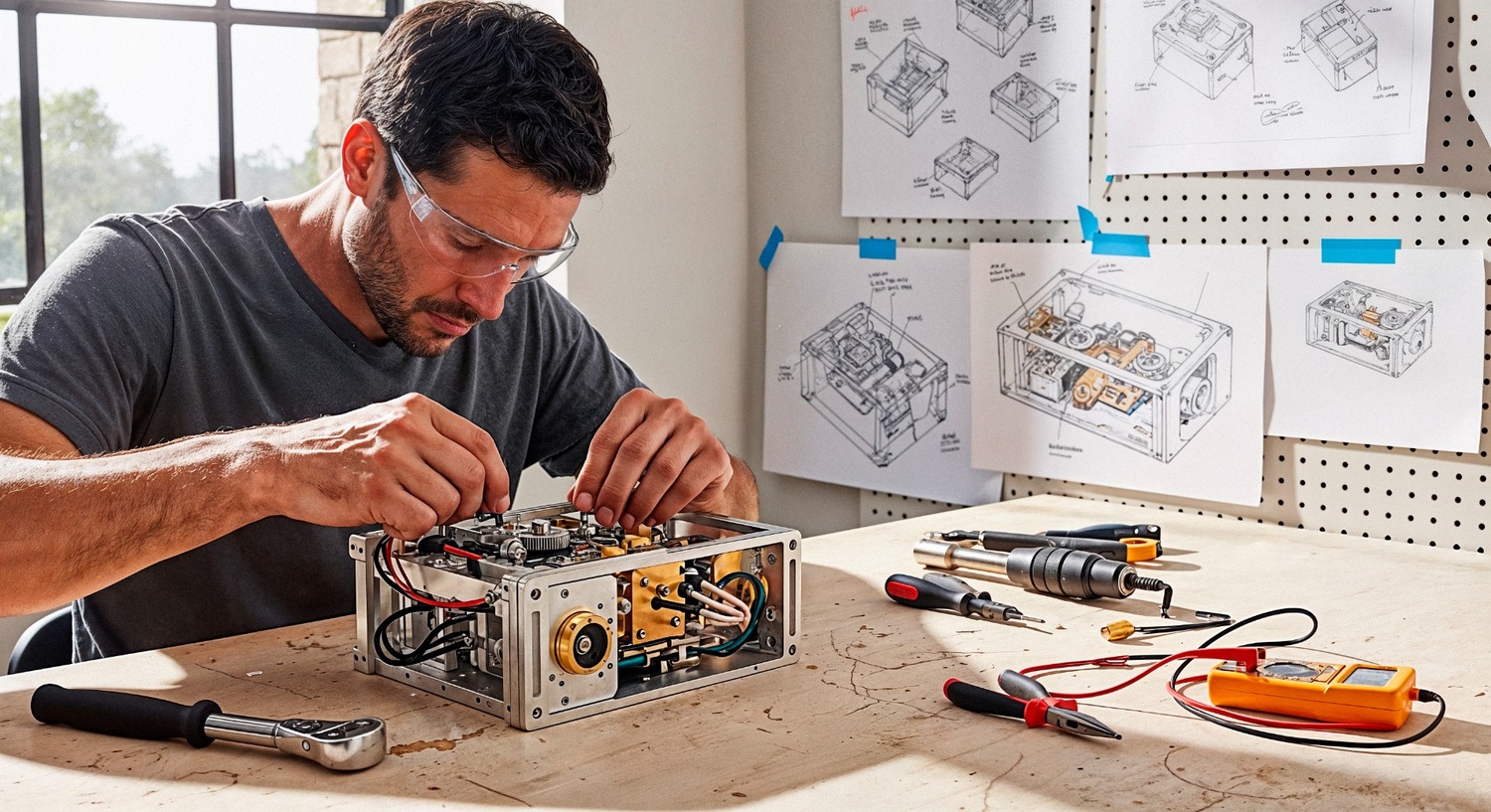
The role of an Electrical Engineer (EE) is to design, develop, test, and supervise the manufacturing of electrical systems and equipment. They use their expertise to study and improve existing electrical systems. Their role is to work on various projects. It includes building a telecommunication network responsible for bringing power to our homes. In addition, they are the professionals behind modern technology and designing electronic components. Further, it's used in everything from smartphones to spacecraft.
What is Electrical Engineering?
Electrical Engineering is the branch of engineering that deals with the design, study, and application of electronics, electricity, and electromagnetic systems. It is about understanding how electricity works with knowledge of engineering applications. Electrical Engineering plays a key role in sectors like transmission, automation, manufacturing, power generation, renewable energy, and telecommunication.
The core responsibilities of an electrical engineer are:
-
Project management—Planning, coordinating, and supervising projects for cost-effective completion.
-
Power System – Electrical grids, transformers, power plants, and renewable energy systems.
-
Testing and Quality Assurance – Testing, inspecting, and validating electrical systems. This ensures reliability, safety, and compliance with standards.
-
Electronics—Circuits, computers, microchips, and consumer devices.
-
Control System- Automation, Industrial process and robotics.
-
Maintenance and Troubleshooting- Diagnosing faults, monitoring system performance, and resolving technical issues. This ensures smooth operations.
A concept in electrical engineering relates to voltage, current, and resistance, i.e., Ohm’s Law. (V=IR)
What is Electronics and Communication Engineering?
Electronics and Communication Engineering (ECE) is a branch of engineering that focuses on the design, development, and maintenance of electronic devices and communication systems.
It combines electronics, communication technologies, signal processing, and computer applications. The program prepares students to work in industries. It includes telecommunications, consumer electronics, automation, semiconductor manufacturing, and information technology.
B.Tech in Electrical Engineering (EE) is a 4-year UG program. It focuses on the study of electricity, power systems, electromagnetism, and electrical machines. B.Tech in Electronics and Communication Engineering (ECE) is one of the most popular courses in the UG field.
To be eligible, students must have qualified for 12th grade with Physics, Chemistry, and Mathematics. One must have scored a minimum of 50% marks for admission to B.Tech programs.
Major areas covered in ECE include:
-
Digital and analogue electronics
-
Communication systems
-
Embedded systems
-
VLSI technology
-
Internet of Things (IoT)
-
Wireless communication
-
Signal processing
What Do Electronics Engineers Do?
Electronics engineers design, develop, test, and maintain electronic systems. It relies on communication, healthcare, transportation, automation, and consumer electronics. They are problem solvers who study and apply physics and mathematics. Electromagnetism, electronics, and electricity process information and transmit energy.
Their responsibilities include:
-
Designing electronic circuits and devices
-
Developing communication systems
-
Testing and maintaining electronic equipment
-
Improving wireless communication technologies
-
Supporting automation and smart systems
-
Developing solutions using emerging technologies
-
Electronics engineers plays important role in creating the technologies used in everyday life.
Career Opportunities for Electronics Engineers
Students who have done graduation in B.Tech. in Electronics and Communication Engineering can work in:
-
Telecommunications companies
-
Electronics manufacturing industries
-
IT and software companies
-
Semiconductor industries
-
Automation and robotics firms
-
Defence and aerospace sectors
-
Research and development organizations
This combination of technical education and industry exposure creates strong career opportunities for ECE graduates.
Range of Electrical Engineering Salary and Scope
An electrical engineer's salary depends on various factors like educational qualification, experience, and job profiles.
The table shows the salaries of electrical engineering professionals with 0-3 years of experience:
|
Qualification |
Monthly Salary |
|
Diploma Holder |
Rs. 15,000-Rs. 22,000 |
|
B.Tech Graduate |
Rs. 25,000-Rs.50,000 |
The table below shows the salaries of electrical engineering professionals with 3-7 years of experience:
|
Qualification |
Monthly Salary |
|
Project Engineer |
Rs. 50,000-Rs. 80,000 |
|
Senior Engineer |
Rs. 75,000-Rs.1,20,000 |
|
Technical Director |
Rs. 95,000- Rs. 1,50,000 |
Government sector salaries, especially in PSUs, are likewise competitive and comparable to those in the private sector.
Is Electrical Engineering a good career?
Electrical Engineering is a good career choice. Students interested in technology, how electrical system works and have problem-solving attitude can enhance in this. It is an exceptionally stable and high-paying career. Some pros of choosing EE as a career are its high demand, stability, and good earning potential.
Students who enjoy Physics, Mathematics. Also, have strong problem-solving skill in generally excel in this field.
Conclusion
Electrical Engineering and Electronics & Communication Engineering plays a vital role in shaping modern society. Engineers contribute from power generation and automation to communication networks and smart technologies. This improves their everyday life. Successful careers can be built in mathematics, physics, and problem-solving ability. They also gain broad knowledge across industries such as manufacturing, IT, telecommunications, energy, aerospace, and research. Electrical Engineering and ECE make excellent choices for students seeking a stable, challenging, and future-oriented profession.
Table Of Content
- Loading...
