

How Industry Exposure for Engineering Students Shape Careers
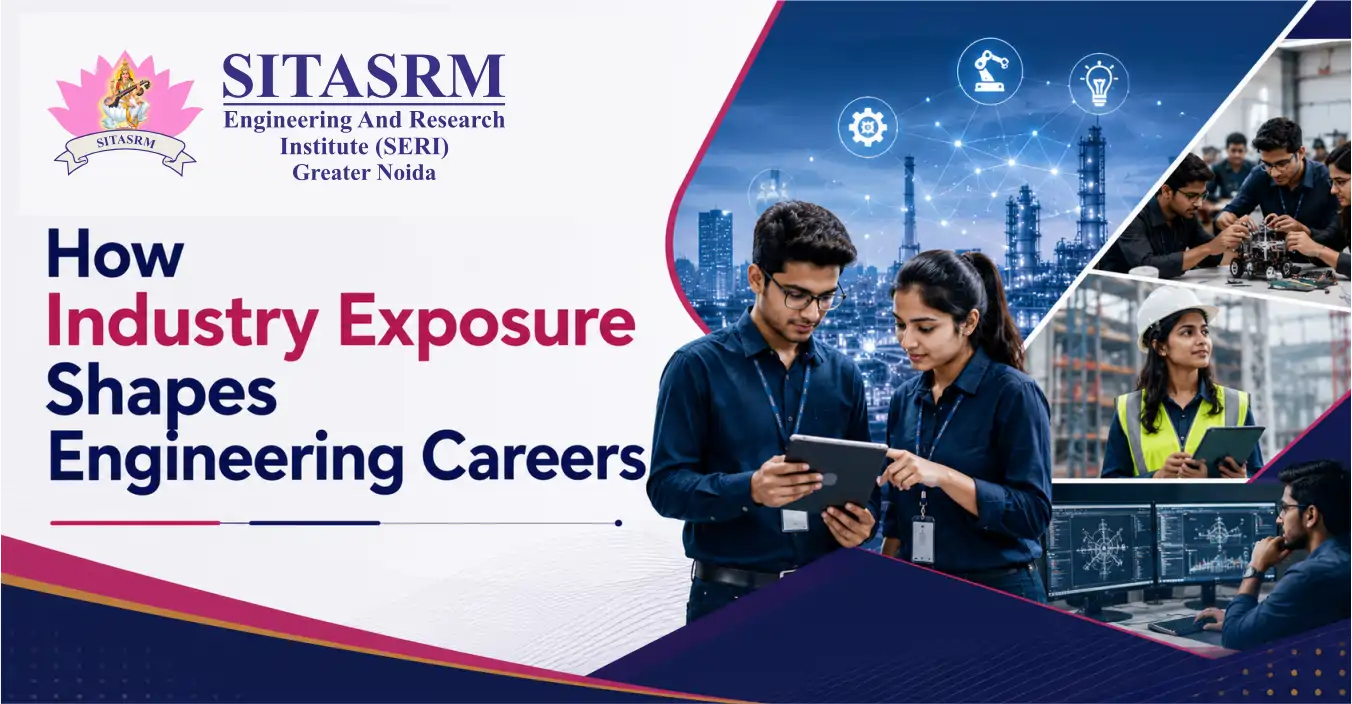
Introduction to Industry Exposure for Engineering Students
Industry exposure for engineering students connect what they learn in classrooms with how things actually work in the real world. It gives them practical experience and a better understanding of industry requirements. Engineering is not just about technical knowledge; it also involves the “4 C’s” – Creativity, Critical Thinking, Communication, and Collaboration.
Students will develop these skills by allowing them to work on real projects, solve practical problems, and interact with professionals. It helps engineering students understand how classroom concepts are applied in real-world workplaces. It develops problem-solving abilities, practical skills and professional confidence. This exposure bridges the gap between academic learning and industry expectations. It prepares students for successful engineering careers.
When colleges and industries work together, students benefit from real-world learning experiences. They get practical exposure, develop skills and understand how industries operate. It actually works on students overall growth.
Industrial Exposure is Beneficial for B.Tech Students
You can get industrial exposure through ongoing academic learning and with internship opportunities. It allows you to apply theoretical knowledge in real-world settings, develop practical skills, and understand industry dynamics. Exposure to workplace environments helps build professional networks, gain insights into organizational culture, and enhance problem-solving abilities, which are crucial for career growth and future job readiness. Some common benefits you might get are:
-
Better understanding of industry requirements
-
Improved technical and practical skills via
-
Increased confidence in solving real-world problems
-
Enhanced career opportunities
-
Greater awareness of emerging technologies
Importance of Internships in B.Tech
Internships are an important part of a B.Tech program. It give students first-hand exposure to the industry. They allow students to apply their technical knowledge in real work environments and gain practical experience. Internships not only allow students to work in a professional environment but also help students build industry knowledge that cannot be gained through textbooks alone.
Bonus: Corporate Training for Students
Many engineering institutions like SITASRM Engineering And Research Institute offer corporate training for students to prepare them for professional careers.
Internships help students grow into professionals by improving their soft skills and expanding their network. They also give students a chance to explore a career path before making long-term decisions. Example of - “Try before you buy” is applicable here.
By doing an internship, students gain:
-
Hands-on skill development
-
Career clarity
-
Strategic networking
Not only this, students also become aware of the following points:
-
Better understanding of industry expectations
-
Exposure to real workplace situations
-
Improved teamwork and communication skills
-
Increased confidence during placements
What Do You Gain With Industrial Exposure
Technical Skill Development
You will develop real technical skills. You get to solve actual problems, find and fix errors when things go wrong, deal with messy data, and work on improving speed and accuracy. You also get hands-on experience with real-world tools such as coding platforms, industry software, technical equipment, and professional systems used by companies.
Soft Skill Enhancement
An internship teaches you how to work effectively with people. You learn how to communicate with seniors and colleagues, practice active listening, and write professional emails. It also helps you develop qualities like time management, adaptability, responsibility, teamwork, and the ability to accept and apply feedback.
Interview Preparation
Get yourself prepare not only for your next interview but also for your future career. You gain real experiences and achievements that you can discuss during interviews. You learn how to explain challenges you faced, how you solved problems, and how your work contributed to business goals, which helps build confidence and reduce interview anxiety.
Workplace Communication
Every workplace has its own communication culture, and internships help you understand it. You learn when to be formal and when to be casual, how to write clear and concise emails, how to participate in meetings, ask for help professionally, and communicate effectively with coworkers. You also develop important digital etiquette and professional communication skills.
Hands-on Projects
Unlike academic projects, workplace projects involve real users, real budgets, and real outcomes. You learn how to create meaningful impact while working within practical constraints such as deadlines, budget limitations, changing requirements, and cross-functional team collaboration. These experiences help you understand how projects are managed in the real world.
Mentorship from Industry Experts
Working with industry professionals allows you to learn from their experience and practical knowledge. Mentors provide valuable career guidance, review your work, suggest improvements, and help you understand industry expectations. They can also help strengthen your resume, expand your professional network, and provide long-term career support.
Employability of students gets improve through such training programs.
Building Skills Through Industry Exposure
Industry exposure for engineering studnets helps in developing technical and professional skills.
|
Skill |
Benefit |
|
Technical Skills |
Better understanding of engineering applications |
|
Communication Skills |
Effective workplace interaction |
|
Leadership Skills |
Managing projects and teams |
|
Analytical Thinking |
Solving real-world challenges |
Students also gain opportunities for professional networking, which can support future career growth. Also, many students benefit from industry mentorship, which helps them to make good career decisions.
Conclusion
Industry exposure has become an essential part of engineering education. It helps students understand real-world applications, develop practical skills, and prepare for successful careers.
Through internships, industrial visits, training programs, and industry collaborations, students gain valuable experience that complements their academic learning.
For students pursuing engineering programs, our institute: SITASRM Engineering And Research Institute provides valuable industry exposure for engineering students along with the knowledge, confidence, and practical skills needed to succeed in today’s competitive job market.
Table Of Content
- Loading...
